Enhancing Design with Dymond Speers Outline: A Versatile Tool for Creativity
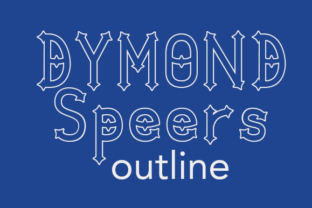
Dymond Speers Outline is a unique design element that has gained popularity among creators and professionals looking to add a decorative touch to their projects. Whether you're designing a website, crafting a logo, or working on a branding project, this outline offers both aesthetic appeal and functional versatility. Its ability to blend seamlessly into various design contexts makes it a valuable asset in the creative toolkit.
The Essence of Dymond Speers Outline
At its core, Dymond Speers Outline is a stylized line pattern that mimics the intricate details found in traditional calligraphy and ornamental art. Unlike standard outlines, this design features subtle variations in thickness and spacing, creating a dynamic visual effect. These nuances give it a sense of movement and depth, making it stand out from basic borders or frames.
One of the key characteristics of Dymond Speers Outline is its adaptability. It can be customized in terms of color, scale, and complexity, allowing designers to tailor it to their specific needs. This flexibility ensures that it can complement a wide range of design styles, from minimalist to highly detailed.
Where Can Dymond Speers Outline Be Used?
Dymond Speers Outline finds its place in numerous design applications, making it a versatile choice for different projects. Here are some common areas where it excels:
- Branding and Logo Design: Adds an elegant touch to logos, helping to create a memorable brand identity.
- Website and App UI: Enhances user interfaces with decorative elements that don't overwhelm the overall design.
- Print Media: Ideal for brochures, posters, and other printed materials where visual interest is essential.
- Graphic Design Projects: Offers a creative edge to illustrations, infographics, and other visual content.
Its subtle nature means it doesn’t overpower the main content, making it perfect for supporting rather than overshadowing the primary message or design elements.
Who Benefits from Using Dymond Speers Outline?
Dymond Speers Outline is particularly beneficial for individuals and businesses that value aesthetics without sacrificing functionality. This includes:
- Graphic Designers: Looking for a distinctive way to elevate their work.
- Marketing Professionals: Seeking to enhance visual communication in campaigns.
- Freelancers and Entrepreneurs: Wanting to add a professional yet artistic touch to their portfolios or products.
- Students and Educators: Using it as a teaching tool to explore design principles and typography.
It’s also a great option for those who want to experiment with design trends without committing to complex tools or extensive training. The ease of integration into digital and print formats makes it accessible to a broad audience.
Strengths and Limitations
Like any design element, Dymond Speers Outline has its strengths and limitations. Understanding these can help users determine when and how to apply it effectively.
Strengths:
- Aesthetic Appeal: Its intricate design adds visual interest and sophistication.
- Adaptability: Works well across multiple platforms and mediums.
- Customization: Allows for personalization to match brand identity or project goals.
Limitations:
- Complexity: May require more time to implement compared to simpler design elements.
- Clutter Risk: If not used carefully, it could distract from the main content.
- Compatibility: Some software may not support advanced styling features needed for full customization.
Despite these considerations, the benefits of Dymond Speers Outline often outweigh the challenges, especially when used thoughtfully and in moderation.
Real-World Applications
To better understand how Dymond Speers Outline can be applied, let's look at a few real-world examples:
Example 1: Website Navigation Bars
A popular use case is incorporating Dymond Speers Outline into navigation bars. By adding a subtle border or divider, it enhances the visual hierarchy while maintaining a clean and modern look.
Example 2: Social Media Posts
In social media design, this outline can be used to frame text or images, drawing attention to key elements without being too intrusive. It’s especially effective in Instagram stories or Facebook posts where visual engagement is crucial.
Example 3: Product Packaging
For e-commerce brands, using Dymond Speers Outline on packaging can differentiate their products in a competitive market. It adds a premium feel that aligns with higher-end branding strategies.
These examples illustrate how the outline can be integrated into various aspects of design, offering both practical and aesthetic advantages.
Evaluating Suitability for Your Needs
Before implementing Dymond Speers Outline in your project, it’s important to evaluate whether it aligns with your goals and audience. Consider the following questions:
- Does the design need to convey elegance or sophistication?
- Will the outline enhance the overall visual experience without overwhelming the content?
- Is there room for customization based on your brand or project requirements?
- Are you using it in a context where subtlety is valued over boldness?
If you answer yes to these questions, then Dymond Speers Outline is likely a good fit for your design needs. However, if you’re aiming for simplicity or minimalism, it might not be the best choice.
Conclusion
Dymond Speers Outline is more than just a decorative element—it’s a powerful design tool that brings creativity and refinement to a wide range of projects. Its ability to blend elegance with functionality makes it a valuable addition to any designer’s repertoire.
Whether you're working on a personal project or a professional endeavor, understanding how to use Dymond Speers Outline effectively can elevate your designs and make them more engaging. With careful application and thoughtful integration, it can become a signature style that sets your work apart.