Hexa: A Modern Geometric Typeface for Versatile Design
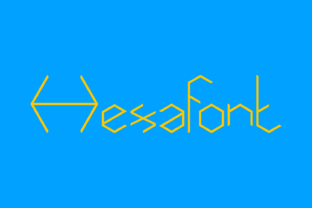
Hexa is a geometric typeface that has gained popularity among designers, marketers, and content creators for its clean lines, modern aesthetic, and versatility. With its strong visual identity and adaptability across various media, Hexa offers a unique solution for those looking to elevate their typography without sacrificing readability or style.
Why Hexa Matters in Today’s Design Landscape
Geometric typefaces like Hexa are more than just visually appealing—they serve a functional purpose. Their structured forms make them ideal for branding, web design, print materials, and digital interfaces. Unlike more organic typefaces, Hexa’s uniformity allows for greater control over spacing, alignment, and visual hierarchy, which can be crucial in professional settings.
For professionals such as entrepreneurs, bloggers, and educators, choosing the right font can significantly impact how their message is received. Hexa’s neutrality and strength make it a go-to choice for creating logos, headers, and promotional content that stand out while maintaining clarity.
Common Mistakes When Choosing and Using Hexa
Despite its benefits, many users overlook key considerations when selecting and applying Hexa. These mistakes can lead to suboptimal results, reduced usability, or even a negative user experience.
- Overlooking Font Weight Variations: Hexa comes with multiple weights, but some users may not explore them fully. Choosing the wrong weight can make text appear too light or too bold, affecting legibility and visual balance.
- Ignoring Line Spacing and Kerning: Even though Hexa is designed for consistency, improper spacing can distort the intended look. This is especially important in long-form content where readability is critical.
- Using Hexa in Inappropriate Contexts: While Hexa works well for headings and titles, it may not be suitable for body text. Its geometric structure can sometimes feel rigid or unapproachable in certain contexts.
- Not Checking Licensing Terms: Some users download Hexa without verifying whether they have the right to use it commercially. This can lead to legal issues or unexpected costs down the line.
- Comparing Hexa to Other Fonts Without Purpose: It’s easy to get caught up in comparing Hexa to other geometric fonts like Montserrat or Futura. However, without a clear objective, these comparisons can be misleading and time-consuming.
How These Mistakes Affect Your Work
Misusing Hexa can result in several negative outcomes. Poorly spaced text may confuse readers, reducing engagement and comprehension. Using the wrong weight could undermine the visual hierarchy of your design, making it harder to guide the viewer’s attention. Additionally, legal issues from incorrect licensing can damage your brand’s reputation and lead to costly corrections.
On the flip side, using Hexa appropriately can enhance your work. Its clean lines and structured form can convey professionalism, trustworthiness, and modernity—key qualities for brands aiming to appeal to a broad audience.
Practical Tips for Using Hexa Effectively
If you’re considering Hexa for your next project, here are some actionable tips to help you avoid common pitfalls:
- Start with the Right Weight: Use lighter weights for body text and bolder weights for headings. This ensures a balanced and readable layout.
- Test Line Spacing: Adjust the line height to match the font size and ensure there’s enough space between lines for comfortable reading.
- Use Hexa Strategically: Pair Hexa with complementary fonts for body text to maintain readability while keeping the design visually engaging.
- Verify Licensing: Always check the license agreement before using Hexa in commercial projects. Some versions may require purchase or subscription.
- Consider the Audience: Think about who will be viewing your content. A more approachable font may be better suited for educational or community-focused projects.
Realistic Examples and Better Approaches
Imagine you’re designing a website for a tech startup. You choose Hexa for the header because of its modern look. However, you use the same font for the body text, resulting in a cramped and hard-to-read layout. The solution? Pair Hexa with a more readable sans-serif font like Open Sans for the body text, while keeping Hexa for headlines and call-to-action buttons.
Another example: A small business owner downloads Hexa for free and uses it on their logo without checking the license. They later discover that the font is only available for personal use, leading to a potential legal issue. The better approach would be to research the font’s licensing options before downloading and using it in any professional context.
What to Check Before Committing to Hexa
Before deciding to use Hexa, consider the following factors:
- Font Availability: Ensure that the version of Hexa you’re using is appropriate for your needs—whether it’s for web, print, or both.
- Compatibility: Test Hexa across different platforms and devices to confirm it renders consistently.
- Cost: Some advanced versions of Hexa may require payment. Be aware of any additional fees or subscriptions.
- Customization Options: Does Hexa offer support for ligatures, alternate characters, or special formatting? This can be important for specific industries or languages.
- Community and Support: Look for user reviews, forums, or official documentation to gauge the font’s reliability and ease of use.
By taking these steps, you can make an informed decision and ensure that Hexa enhances your design rather than complicates it.