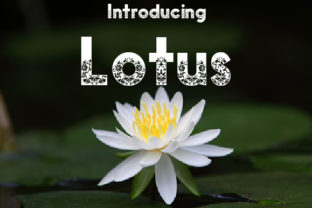
The Lotus: A Typeface That Blooms Beyond Design
Typography is more than just letters on a page. It's the silent language of visual communication, shaping how we perceive brands, messages, and identities. In an era where attention spans are fleeting and design expectations are ever-evolving, the right typeface can make all the difference. Enter The Lotus, a typeface that stands out not just for its elegance but for its unique ability to infuse floral artistry into every character it renders.
Aesthetic Innovation Meets Practicality
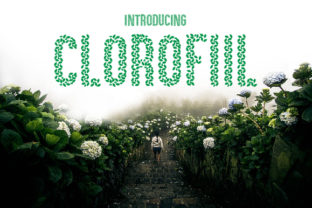
The Lotus is more than a decorative font—it’s a thoughtful blend of beauty and functionality. Each letter is adorned with intricate floral elements, creating a visual rhythm that feels both organic and intentional. These embellishments aren’t just for show; they serve a purpose. They add depth, texture, and personality to any design, making the text feel alive rather than static.
What sets The Lotus apart is its versatility. While its floral motifs might suggest a niche use case, the typeface works across a wide range of applications. From name cards and logos to posters and headers, The Lotus adapts seamlessly to different contexts without losing its charm. This makes it a valuable tool for designers looking to create visually striking content that resonates with audiences.
Trends in Typography and the Rise of Decorative Typefaces
In recent years, there has been a noticeable shift in typography trends. The once-dominant minimalist approach has given way to more expressive and decorative styles. This change reflects broader cultural and creative movements—people are seeking more personalization, storytelling, and emotional connection in their designs.
The Lotus fits perfectly into this trend. Its floral detailing speaks to a growing appreciation for nature-inspired aesthetics, which have become increasingly popular in branding, packaging, and digital interfaces. As consumers demand more visually engaging experiences, typefaces like The Lotus offer a way to stand out in a crowded digital landscape.
Moreover, the rise of social media platforms has amplified the need for eye-catching visuals. Content creators, influencers, and marketers are constantly looking for ways to differentiate themselves. The Lotus provides a unique solution by allowing them to craft content that feels both artistic and professional.
Practical Applications Across Industries
Whether you're a designer, marketer, or small business owner, The Lotus offers practical benefits that extend beyond aesthetics. Here are some real-world applications:
- Name Cards: A well-designed name card can make a lasting impression. The Lotus adds a touch of sophistication and individuality to your contact information.
- Logos: For startups and brands aiming to convey warmth and creativity, The Lotus offers a distinctive identity that stands out from the competition.
- Posters and Banners: Whether for events, promotions, or campaigns, The Lotus brings a sense of elegance and visual interest that captures attention.
- Magazines and Covers: In print and digital publishing, The Lotus can elevate the overall look of a publication, making it more engaging and memorable.
- T-Shirts and Merchandise: With its bold and stylized characters, The Lotus is ideal for custom apparel, adding a unique flair to everyday wear.
- Headers and Titles: On websites, blogs, and presentations, The Lotus can help reinforce brand identity while maintaining readability.
These examples highlight how The Lotus isn’t just a novelty—it’s a functional tool that enhances the visual impact of various design projects.
Why Designers Are Turning to Decorative Typefaces
There are several reasons why designers are increasingly turning to decorative typefaces like The Lotus. First, they allow for greater creative expression. In a world where many typefaces feel generic, having access to something unique can be a game-changer.
Second, decorative typefaces help differentiate brands in a saturated market. When a logo or headline uses a distinctive font, it creates a stronger visual memory for the audience. This is especially important in industries where first impressions matter—like fashion, hospitality, and entertainment.
Third, these typefaces often align with current design philosophies that emphasize storytelling and emotional engagement. By using a typeface like The Lotus, designers can communicate a message that feels more personal and authentic.
Finally, the increasing availability of high-quality decorative fonts has made it easier for designers to experiment without sacrificing quality. Tools like Adobe Fonts, Google Fonts, and FontShop provide access to a vast library of options, including The Lotus.
Choosing the Right Typeface for Your Project
While The Lotus is undeniably beautiful, it’s not always the best choice for every project. The key is to consider the context and purpose of your design. Here are some factors to keep in mind when selecting a typeface:
- Readability: Ensure the typeface remains legible at different sizes and in various formats. The Lotus is designed for both print and digital use, but it’s important to test it in your intended environment.
- Brand Identity: Does the typeface align with your brand’s values and personality? If you’re aiming for a natural, organic feel, The Lotus is a great fit.
- Target Audience: Consider who will be viewing your design. A decorative typeface may resonate more with younger, creative audiences than with older, more traditional ones.
- Use Case: Think about where the typeface will be used. Will it be part of a website, a poster, or a product label? Different applications may require different stylistic choices.
- Accessibility: Make sure the typeface is accessible to all users, including those with visual impairments. Always pair it with appropriate contrast and sizing.
By carefully evaluating these factors, you can determine whether The Lotus is the right choice for your project or if another typeface would better suit your needs.
The Future of Typography and the Role of Creativity
As technology continues to evolve, so too does the field of typography. New tools, platforms, and design trends are constantly reshaping how we approach visual communication. However, one thing remains constant: the power of a well-chosen typeface to influence perception and emotion.
Typefaces like The Lotus represent the future of design—a future where creativity and functionality coexist. They offer a way to express individuality while meeting the practical demands of modern workflows. As designers continue to push boundaries, they’ll rely on typefaces that not only look good but also serve a purpose.
In the end, the success of a design lies in its ability to connect with people. And sometimes, that connection begins with a single, beautifully crafted letter.