Calculator: A Timeless Tool with Modern Relevance
The word Calculator evokes a sense of simplicity, reliability, and utility. While the term is often associated with digital devices, its roots lie in something far more tangible—a physical object that has shaped how people approach numbers, decisions, and problem-solving for decades. In today’s fast-paced world, where technology evolves rapidly, the Calculator remains a trusted companion, especially when paired with an old-school typeface that adds character and nostalgia to its design.
The Essence of Calculator
A Calculator is more than just a tool for performing arithmetic. It is a device that empowers users to make informed choices, whether they are managing personal finances, analyzing data, or solving complex equations. The core function of a Calculator is straightforward: it processes numerical input and provides accurate results. However, what sets certain Calculators apart is their design, particularly when they incorporate an old-school typeface.
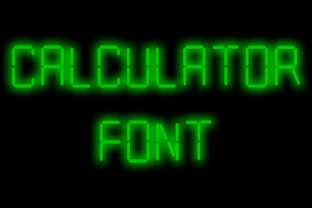
An old-school typeface, such as those reminiscent of typewriters or early computing interfaces, brings a unique aesthetic to the Calculator. This style is not just about visual appeal; it also serves a functional purpose. The clean, legible fonts used in these designs ensure that numbers and symbols are easy to read, even in low-light conditions or on smaller screens. For users who value both form and function, this combination offers a satisfying experience that bridges the gap between tradition and modernity.
Comparing Calculator with Similar Options
While many digital tools offer similar functionalities, the Calculator with an old-school typeface stands out in several ways. Unlike sleek, minimalist calculators that prioritize aesthetics over usability, the Calculator with a retro design focuses on clarity and user-friendliness. This makes it particularly appealing to those who prefer a tactile interface or need a device that can be used without constant screen interaction.
When comparing the Calculator with other types of calculation tools, such as spreadsheet software or mobile apps, it becomes clear that each has its own strengths and limitations. Spreadsheet programs like Excel or Google Sheets offer extensive features, including graphing capabilities and advanced formulas. However, they require a learning curve and are not always ideal for quick calculations. Mobile apps, while convenient, often lack the precision and customization options found in dedicated Calculators.
The Calculator with an old-school typeface occupies a unique niche. It is designed for users who want a reliable, straightforward tool without unnecessary complexity. Its simplicity makes it ideal for everyday tasks, such as budgeting, tracking expenses, or calculating percentages. For those who appreciate the charm of vintage design, this Calculator offers both practicality and a touch of nostalgia.
Strengths and Limitations
The Calculator with an old-school typeface has several strengths that make it a compelling choice for certain users. First and foremost, its design ensures readability and ease of use. The large, bold numbers and clear symbols reduce the risk of input errors, which is crucial in high-stakes scenarios like financial planning or scientific research.
Another advantage is its durability. Many Calculators with a retro aesthetic are built to last, making them suitable for long-term use. They are often constructed with sturdy materials and feature physical buttons that provide tactile feedback, enhancing the user experience.
However, the Calculator is not without its limitations. One of the main drawbacks is its limited functionality compared to more advanced digital tools. While it excels at basic arithmetic and simple calculations, it lacks the ability to perform complex operations such as statistical analysis, graphing, or programming. This means that users who require more sophisticated features may need to look elsewhere.
Additionally, the Calculator with an old-school typeface may not be the best choice for those who prioritize speed and efficiency. Digital alternatives often allow for faster input and more intuitive navigation, especially when dealing with large datasets or multiple calculations in quick succession.
Best-Fit Situations and Decision Factors
The Calculator with an old-school typeface is best suited for users who value simplicity, reliability, and a nostalgic design. It is particularly well-suited for tasks that require minimal input and frequent use, such as daily budgeting, student homework, or small business accounting.
For professionals who rely on precise calculations but do not need the full range of features offered by advanced software, the Calculator can be an excellent alternative. It is also a great option for educators and students who want to teach or learn basic math concepts in a visually engaging way.
When deciding whether to choose the Calculator or another option, consider your specific needs. If you require advanced features, a digital calculator or a spreadsheet program may be more appropriate. However, if you prioritize ease of use, durability, and a classic design, the Calculator with an old-school typeface is a strong contender.
Realistic Examples and Practical Comparisons
To better understand the practical applications of the Calculator, let's consider a few real-world examples. Imagine a small business owner who needs to calculate monthly expenses. Using a Calculator with an old-school typeface allows for quick, accurate computations without the need for complicated software. The tactile buttons and clear display make it easy to track income and expenditures efficiently.
Another example involves a student preparing for exams. A Calculator with a retro design can help with basic math problems, ensuring that the student can focus on understanding concepts rather than struggling with technology. The familiar layout and intuitive interface make it easier to concentrate during study sessions.
In contrast, a professional accountant might find that a digital calculator or a specialized software suite is more suitable for handling complex financial reports. These tools offer greater flexibility and can handle a wide range of calculations, from tax computations to investment projections.
Making an Informed Decision
Ultimately, the decision to use a Calculator with an old-school typeface depends on individual preferences and requirements. It is important to evaluate your specific needs before making a choice. If you value simplicity, reliability, and a classic design, the Calculator may be the right fit for you. However, if you require advanced features or faster processing capabilities, exploring other options could be more beneficial.
By understanding the strengths and limitations of the Calculator, as well as its place within the broader landscape of calculation tools, users can make a more informed decision. Whether you are looking for a dependable tool for everyday use or a nostalgic addition to your workspace, the Calculator with an old-school typeface offers a unique blend of functionality and charm.