Stylized Bow: A Versatile Design Element for Creativity and Expression
The stylized bow has long been a symbol of elegance, charm, and artistic expression. In the world of design, it transcends its traditional role as an accessory and becomes a powerful visual element. Whether used in fashion, graphic design, or digital illustration, the stylized bow offers a unique blend of simplicity and sophistication that can elevate any project. This article explores the stylized bow, its characteristics, applications, and how it can be leveraged to enhance creative work across multiple industries.
What Is a Stylized Bow?
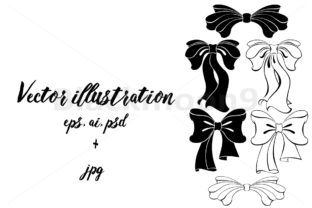
A stylized bow is a decorative shape that represents a bow but is simplified and abstracted from its real-world counterpart. Unlike a realistic bow, which includes detailed textures and shading, a stylized bow focuses on clean lines, geometric shapes, and minimalistic design elements. It often features bold outlines, monochrome tones, and a strong emphasis on form rather than realism.
This type of bow is commonly found in vector graphics, line art, and contemporary illustrations. Its clean aesthetic makes it highly adaptable, allowing designers to incorporate it into various contexts without overwhelming the overall composition. The stylized bow is especially popular in modern design due to its ability to convey both elegance and approachability.
Key Features of a Stylized Bow
- Monochrome Design: Often presented in black or white, the stylized bow relies on contrast and contour to define its shape.
- Minimalist Lines: The use of clean, flowing lines gives the stylized bow a sense of movement and grace.
- Contour Focus: The outline of the stylized bow is typically more important than the internal details, making it ideal for minimalist styles.
- Isolated Shape: Usually presented as a standalone element, the stylized bow can be easily integrated into larger compositions.
- Vector Format: Available in editable formats like EPS, AI, and PSD, the stylized bow is versatile for both digital and print media.
Applications of the Stylized Bow
The stylized bow is not just a decorative element—it serves as a functional design component that can be applied in numerous ways. Here are some common uses:
Fashion and Accessories
In the fashion industry, the stylized bow is frequently used as a motif in clothing, jewelry, and accessories. It adds a touch of whimsy and elegance to designs, making it a popular choice for party wear, bridal outfits, and luxury fashion collections.
Designers often incorporate the stylized bow into patterns, embroidery, and even as part of the garment itself. Its versatility allows it to complement both formal and casual styles, depending on the interpretation.
Graphic Design and Illustration
For graphic designers and illustrators, the stylized bow is a valuable asset. It can be used as a focal point in logos, branding materials, and promotional graphics. Its clean lines and abstract nature make it suitable for both high-end and playful designs.
Additionally, the stylized bow is often used in digital illustrations to add a decorative element that enhances the visual storytelling. It can represent themes such as romance, celebration, or mystery, depending on the context.
Web and UI Design
In web and user interface (UI) design, the stylized bow can serve as an icon, a decorative border, or a subtle design accent. Its simplicity and scalability make it ideal for use in responsive layouts and interactive elements.
Designers may also use the stylized bow as part of a larger design system, integrating it with other elements to create a cohesive and visually appealing interface.
Who Benefits from Using a Stylized Bow?
The stylized bow appeals to a wide range of users, including:
- Creative Professionals: Graphic designers, illustrators, and artists can use the stylized bow to enhance their visual projects.
- Business Owners: Entrepreneurs and brand creators can incorporate the stylized bow into their branding and marketing materials.
- Fashion Designers: The stylized bow is a great addition to fashion collections, especially those targeting a feminine or romantic audience.
- Online Content Creators: Influencers, bloggers, and social media users can use the stylized bow as a visual element in their content.
- Students and Enthusiasts: Aspiring designers and hobbyists can explore the stylized bow as a way to develop their skills and creativity.
Strengths and Considerations
While the stylized bow offers many benefits, it’s important to consider its limitations and how it fits into different design contexts.
Strengths
- Highly Versatile: The stylized bow can be adapted to suit a wide range of design needs and aesthetics.
- Easy to Customize: With editable vector formats, the stylized bow can be modified to fit specific project requirements.
- Time-Saving: As a pre-designed element, the stylized bow saves time during the creative process.
- Scalable: The stylized bow maintains its quality at any size, making it suitable for both small and large-scale projects.
Considerations
- Context Matters: The stylized bow may not always be appropriate for every design scenario. It should be used thoughtfully to match the intended message.
- Balance is Key: While the stylized bow is elegant, overuse can lead to visual clutter or distract from the main design elements.
- Quality Matters: Ensuring high-quality renderings in JPG, EPS, or AI format is essential for professional-grade results.
- Integration Challenges: The stylized bow may require additional design work to ensure it harmonizes with the surrounding elements.
Real-World Examples and Scenarios
The stylized bow is not limited to one industry or application. Here are a few examples of how it can be used in practice:
Wedding Invitations
A stylized bow can be incorporated into wedding invitations to add a touch of elegance and romance. Its simple yet sophisticated design complements the theme of the event while maintaining a clean and modern look.
Product Packaging
For luxury brands, the stylized bow can be used as a decorative element on product packaging. It adds a sense of refinement and exclusivity, making the unboxing experience more memorable.
Website Headers and Logos
Many websites and brands use the stylized bow as part of their logo or header design. It serves as a visual anchor that reinforces brand identity and conveys a sense of style and creativity.
Social Media Graphics
On platforms like Instagram and Pinterest, the stylized bow can be used in posts, stories, and ads to create eye-catching visuals. It adds a decorative flair that aligns with the platform’s aesthetic while keeping the design clean and engaging.
Evaluating Suitability for Your Needs
Before incorporating the stylized bow into your design, consider the following questions:
- Does the stylized bow align with the overall aesthetic of your project?
- Will it enhance the visual hierarchy or distract from the main content?
- Can it be customized to meet your specific design goals?
- Are there any cultural or contextual factors that might affect its appropriateness?
- Is the quality of the stylized bow sufficient for your intended use?
By carefully evaluating these factors, you can determine whether the stylized bow is the right choice for your project and how best to integrate it into your design.
Conclusion
The stylized bow is more than just a decorative element—it is a powerful design tool that brings elegance, creativity, and functionality to a wide range of projects. Whether you're a designer, artist, or business owner, understanding the potential of the stylized bow can help you elevate your work and make a lasting impression.
With its adaptability, scalability, and visual appeal, the stylized bow remains a timeless and relevant design element in today’s creative landscape. By exploring its applications and considering its strengths and limitations, you can unlock new possibilities for your design projects and bring a touch of sophistication to your work.