Border Decorative: A Versatile Design Element for Modern Projects
Border decorative elements are a staple in design and creative industries, offering both aesthetic appeal and functional value. Whether you're working on graphic design, web development, or print media, understanding the role of border decorative can significantly enhance your project's visual impact. This article explores what border decorative is, its unique characteristics, and how it compares to other design options.
What Is Border Decorative?
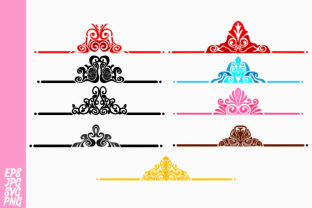
Border decorative refers to the use of ornamental lines, patterns, or shapes that frame content or separate sections within a design. These borders are not just decorative; they serve to guide the viewer's eye, add depth, and create a sense of hierarchy. In digital and print formats, border decorative can be implemented using various file types such as JPG, EPS, SVG, PNG, and more.
The versatility of border decorative lies in its adaptability. It can be simple or intricate, geometric or organic, and can be tailored to match the overall theme of a project. From minimalist designs to elaborate motifs, border decorative offers a wide range of possibilities for designers and creators.
Key Features of Border Decorative
- Customizability: Border decorative can be adjusted in size, color, and complexity to fit different design needs.
- Format Flexibility: Available in multiple file formats, making it easy to integrate into various platforms and applications.
- Visual Impact: Adds a finishing touch that enhances the professionalism and attractiveness of a design.
- Compatibility: Works well with both vector and raster graphics, ensuring scalability and clarity across different mediums.
Comparing Border Decorative with Similar Options
While border decorative is a popular choice, there are several alternatives that designers may consider depending on their specific needs. One common alternative is borderless design, which eliminates any framing around content. While this approach can give a clean and modern look, it may lack the visual structure that border decorative provides.
Another option is background textures, which involve adding subtle patterns or gradients behind content. These can be effective for creating depth but often require more complex implementation compared to border decorative. Additionally, some designers opt for frame-based layouts, which use actual frames rather than decorative borders. While these can be visually striking, they may not offer the same level of flexibility in terms of customization.
When comparing border decorative to these alternatives, it's important to consider factors such as the intended audience, the purpose of the design, and the desired level of detail. For instance, a website that aims to convey a professional image might benefit from the structured appearance of border decorative, while a creative portfolio could explore more abstract or artistic approaches.
Strengths and Limitations of Border Decorative
One of the primary strengths of border decorative is its ability to enhance the visual hierarchy of a design. By clearly defining sections, it helps users navigate through content more effectively. Additionally, border decorative can add a touch of elegance or sophistication, making it ideal for high-end branding or promotional materials.
However, there are also limitations to consider. Overuse of border decorative can lead to clutter and distract from the main content. Moreover, if not implemented carefully, it can make a design feel outdated or overly ornate. It's essential to strike a balance between aesthetics and functionality when incorporating border decorative into a project.
Best-Fit Situations for Border Decorative
Border decorative is particularly well-suited for projects where visual organization and style are key. This includes things like product packaging, website headers, brochures, and posters. In each of these cases, a well-designed border can elevate the overall presentation and make the content more engaging.
For example, a product packaging designer might use border decorative to highlight the brand’s identity and create a cohesive look across all materials. Similarly, a web developer could incorporate border decorative into a site’s header to provide a clear separation between the navigation menu and the main content area.
In contrast, border decorative may not be the best choice for minimalist or modern designs that prioritize simplicity. In such cases, a clean, unadorned layout may be more appropriate to maintain a sleek and contemporary feel.
Practical Examples and Comparisons
To better understand how border decorative can be applied, let's look at a few practical examples. Consider a print magazine cover: a subtle border decorative can frame the title and logo, drawing attention to the most important elements while maintaining a balanced composition. Alternatively, a digital infographic might use a more intricate border to emphasize data points and guide the viewer’s focus.
Another comparison involves the use of border decorative in social media graphics. A simple line border can help distinguish text from background, making the content more readable. In contrast, a detailed pattern border might be used to create a themed or branded look that aligns with the platform’s aesthetic.
These examples illustrate how border decorative can be adapted to suit a variety of design contexts. The key is to select a border that complements the overall design without overwhelming the content.
Decision Factors and Evaluation Criteria
When evaluating whether border decorative is the right choice, several factors should be considered. First, assess the purpose of the design—is it meant to inform, entertain, or promote? Next, consider the target audience—will they appreciate the added visual elements, or might they find them distracting?
Additionally, evaluate the technical requirements of the project. If the design will be used across multiple platforms, ensure that the chosen border format (such as SVG or PNG) is compatible with all intended uses. Finally, consider the budget and resources available for implementing and maintaining the border decorative elements.
Conclusion
Border decorative is a powerful design tool that offers both aesthetic and functional benefits. Its versatility makes it suitable for a wide range of applications, from print media to digital interfaces. However, like any design element, it should be used thoughtfully and in alignment with the project’s goals.
By understanding the strengths, limitations, and best-fit situations for border decorative, designers can make informed decisions that enhance their work without compromising on quality or usability. Whether you're looking to add a touch of elegance or improve visual organization, border decorative can be a valuable addition to your design toolkit.