Layers: A Handcrafted Approach to Building Depth and Complexity
When it comes to design, typography, or even problem-solving, the concept of Layers offers a unique way to add depth, structure, and meaning. Layers is not just about stacking elements—it's about creating something that feels intentional, layered, and meaningful. Whether you're working with visual design, content creation, or strategic planning, understanding how to use Layers effectively can make all the difference.
What Is Layers?
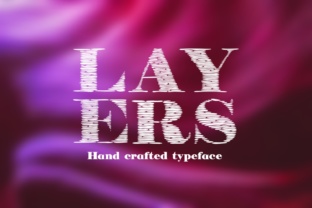
Layers refers to a handcrafted typeface that is built from multiple components, each contributing to the overall form and character of the font. Unlike traditional typefaces that are designed as a single entity, Layers is constructed by combining different elements—like outlines, strokes, and textures—to create a rich, textured look. This approach allows for greater flexibility and creativity in how the typeface can be used and adapted.
At its core, Layers is about layering. Each component adds a new dimension to the final product, whether it's a subtle texture, a bold stroke, or a detailed ornament. This makes it particularly well-suited for projects where visual interest and complexity are key.
Real-World Applications of Layers
One of the most compelling aspects of Layers is its versatility. It can be applied across a wide range of industries and creative fields. Let’s explore some practical examples:
Graphic Design
In graphic design, Layers can elevate branding materials, logos, and visual identities. For instance, a designer might use Layers to create a custom logo that features multiple layers of text, giving it a three-dimensional feel. This technique is especially effective in print and digital media where depth and detail matter.
Consider a boutique fashion brand that wants to stand out. By using Layers in their packaging and promotional materials, they can create a visually engaging experience that reflects their brand’s personality and craftsmanship.
Web Development
While Layers is primarily a typeface, its principles can also be applied to web development. Developers often use layered designs to build complex interfaces. For example, a website might feature multiple layers of content—such as background images, interactive elements, and dynamic text—that work together to enhance user experience.
This layered approach can be especially useful in e-commerce sites, where users need clear navigation and visual hierarchy. By layering information strategically, developers can guide users through the site more effectively.
Content Creation
Content creators, including bloggers, writers, and social media managers, can also benefit from the layered approach. Think of a blog post that combines text, images, and multimedia elements. Each layer adds value and context, helping readers engage more deeply with the content.
For instance, a travel blogger might use Layers in their posts to highlight key points, add visual interest, and break up large blocks of text. This not only improves readability but also enhances the overall aesthetic of the content.
Who Benefits From Layers?
The beauty of Layers lies in its adaptability. Different users and industries can benefit from it in various ways:
- Designers: Use Layers to create visually rich, layered compositions that stand out in a competitive market.
- Developers: Apply layered design principles to build more intuitive and user-friendly websites and applications.
- Content Creators: Enhance storytelling and engagement by layering text, visuals, and multimedia into cohesive narratives.
- Marketers: Use layered strategies to craft campaigns that resonate on multiple levels, appealing to both emotional and rational decision-making.
- Artists and Creatives: Explore new forms of expression by experimenting with layered textures, colors, and structures.
Key Considerations Before Using Layers
Before diving into Layers, there are a few important considerations to keep in mind:
1. Purpose and Audience
Always start by asking yourself: Why am I using Layers? What is the goal? Who is the audience? Understanding these factors will help you determine how best to apply Layers and what kind of impact you want to make.
2. Technical Requirements
If you're using Layers in a digital context, make sure your tools and platforms support the format. Some fonts may require specific software or plugins to render properly. Always test your design in different environments to ensure consistency.
3. Accessibility
While Layers can add visual interest, it’s important to maintain readability. Avoid overcomplicating the design so that it becomes difficult to read. Balance aesthetics with functionality to ensure that your message is clear and accessible to all users.
4. Cost and Licensing
Some versions of Layers may come with licensing restrictions. Be sure to check the terms of use and understand any limitations before incorporating it into your project. If you're unsure, opt for free or open-source alternatives that offer similar benefits without the added complexity.
Strengths and Limitations of Layers
Layers has several strengths that make it a powerful tool for designers and creators:
- Visual Depth: The layered structure adds richness and complexity to any design.
- Flexibility: It can be adapted to suit a wide range of industries and purposes.
- Customization: Users have the freedom to experiment with different combinations and styles.
- Engagement: The multi-layered approach can increase user interaction and interest.
However, there are also some potential limitations:
- Complexity: Overuse can lead to clutter and confusion.
- Technical Challenges: Ensuring proper rendering and compatibility can be tricky.
- Time and Effort: Creating layered designs often requires more time and resources than simpler approaches.
Despite these challenges, the benefits of Layers far outweigh the drawbacks when used thoughtfully and intentionally.