Jitter: A Typeface Designed for Energy and Expression
When it comes to typography, the right choice can make a world of difference. Whether you're crafting a website, designing a logo, or preparing a presentation, the typeface you select plays a critical role in how your message is received. Enter Jitter, a typeface that has quickly gained attention for its dynamic energy and expressive qualities. If you're someone who feels restless, always on the move, or simply wants your text to convey movement and vitality, Jitter might be the perfect fit.
The Essence of Jitter
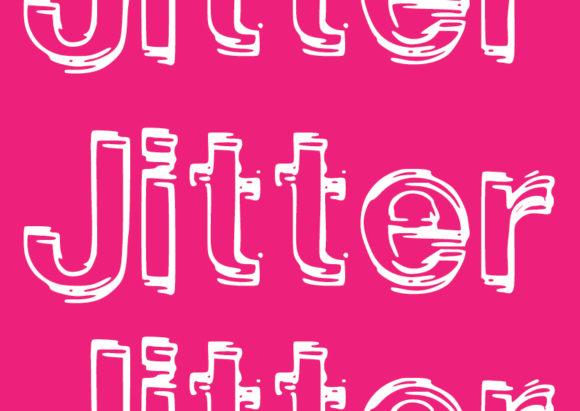
Jitter is not just another font—it's a design language. It was created with a specific purpose in mind: to reflect the energy and urgency often associated with modern communication. Unlike traditional serif or sans-serif fonts that aim for clarity and formality, Jitter embraces a more fluid, organic style. Its curves are deliberate, its strokes have character, and its overall appearance suggests motion rather than stillness.
This typeface is particularly effective when used in contexts where the tone needs to feel urgent, engaging, or even playful. Think about digital interfaces, social media content, or branding materials that require a sense of dynamism. Jitter’s unique aesthetic makes it ideal for projects that want to stand out from the crowd.
Key Characteristics and Strengths
One of the most notable features of Jitter is its irregularity. While this might seem like a flaw to some, it’s actually one of its greatest strengths. The slight variations in stroke weight and spacing create a sense of spontaneity that can be incredibly appealing. This characteristic is especially useful in situations where you want to evoke a feeling of excitement or unpredictability.
Another key strength of Jitter lies in its versatility. Though it may appear chaotic at first glance, the typeface is surprisingly adaptable. It works well in both digital and print formats, making it a valuable asset for designers who need to maintain consistency across different platforms. Additionally, Jitter supports multiple languages, which expands its usability for international audiences.
From a technical standpoint, Jitter is well-optimized for web use. It loads quickly and renders consistently across browsers and devices. This reliability is crucial for professionals who rely on their designs to function seamlessly in real-world environments.
Who Benefits Most from Jitter?
Jitter is best suited for individuals and businesses that prioritize energy and expression over strict formality. Marketers looking to create eye-catching campaigns, educators aiming to engage younger audiences, and creators seeking to add visual interest to their work will find Jitter particularly useful.
For example, a small business owner running a startup might use Jitter in their branding materials to convey innovation and momentum. Similarly, a blogger or content creator could incorporate Jitter into headlines or call-to-action buttons to draw attention and encourage interaction.
That said, Jitter is not without its limitations. Its irregular nature means it may not be the best choice for formal documents, legal texts, or any context where clarity and precision are paramount. In such cases, a more structured typeface would be more appropriate.
Practical Considerations and Real-World Use
When evaluating Jitter for a project, it’s important to consider the overall design language of your work. Does the typeface align with your brand identity? Will it enhance or detract from the user experience?
In practice, Jitter performs exceptionally well in digital environments. Its bold, energetic style is particularly effective in UI/UX design, where it can be used to highlight key elements or guide the viewer’s attention. However, it’s worth noting that Jitter may not be as readable at smaller sizes, so it’s best used in larger formats or when paired with a more legible secondary font.
From an accessibility standpoint, Jitter should be used with caution. While its distinctive style can be visually appealing, it may pose challenges for users with visual impairments. To ensure inclusivity, it’s recommended to pair Jitter with a more conventional font for body text and reserve it for headings or emphasis.
Comparisons and Alternatives
If you’re considering Jitter, it’s helpful to compare it with other typefaces that share similar characteristics. Fonts like Bebas Neue and Impact also convey energy and boldness, but they tend to be more rigid in structure. Jitter, on the other hand, offers a more organic and expressive alternative.
For those who prefer a more refined look, Montserrat or Roboto provide clean, modern aesthetics that are well-suited for professional settings. However, these fonts lack the dynamic quality that makes Jitter so distinctive.
Ultimately, the choice between Jitter and its alternatives depends on your specific goals and audience. If you’re looking for a typeface that adds personality and movement to your designs, Jitter is an excellent option. But if you prioritize readability and consistency, you may want to explore other options.
Final Thoughts and Recommendations
Jitter is a typeface that stands out for its energy, expressiveness, and adaptability. It’s not for everyone, but for those who value creativity and movement in their design work, it can be a powerful tool. When used thoughtfully, Jitter can elevate your visual communication and help your message resonate more effectively.
If you’re in the market for a new typeface, consider experimenting with Jitter in a variety of contexts. Test it in different formats, sizes, and color combinations to see how it performs. And remember, while Jitter may not be the right fit for every project, it’s definitely worth exploring if you’re looking to inject some life and energy into your designs.