Exploring Silhouettes of Branches and Plants in Modern Design
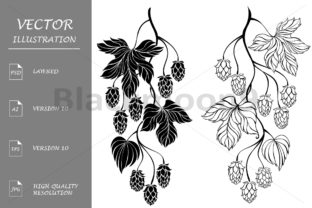
In an age where visual storytelling has become a cornerstone of communication, the art of silhouettes—particularly those of branches and plants—has found renewed relevance. Silhouettes of Branches and Plants is more than just a design element; it's a reflection of our evolving relationship with nature, aesthetics, and functionality. From digital interfaces to physical spaces, these stylized forms are being reimagined to meet contemporary needs while preserving their timeless appeal.
The Aesthetic Power of Silhouettes
Silhouettes have long been used to convey meaning through shape and form. In the context of Silhouettes of Branches and Plants, they serve as visual metaphors for growth, resilience, and connection. These designs are often minimalist yet evocative, allowing viewers to engage with them on both an emotional and intellectual level.
Consider how a simple branch silhouette can evoke the feeling of a forest, a garden, or even a single tree standing alone. This duality makes them versatile across various mediums—from graphic design to interior decor. Their ability to communicate without words aligns perfectly with today’s fast-paced, visually driven culture.
Trends Shaping the Use of Silhouettes
As digital and physical environments continue to blur, the demand for meaningful yet subtle design elements has grown. Silhouettes of Branches and Plants fit this trend by offering a way to infuse spaces and content with organic, natural beauty without overwhelming the viewer.
One notable shift is the increasing focus on biophilic design, which integrates natural elements into built environments to improve well-being and productivity. Silhouettes of branches and plants play a key role in this movement, providing a low-effort way to bring nature indoors. Whether in office spaces, home decor, or digital platforms, these designs help bridge the gap between the artificial and the organic.
Another trend is the rise of minimalist branding. Companies are moving away from cluttered logos and complex visuals toward clean, symbolic imagery. Silhouettes offer a perfect solution, allowing brands to convey identity and values through simplicity and elegance.
Stylized Silhouettes in Creative Practices
For creators and designers, Silhouettes of Branches and Plants present a unique opportunity to explore form and function. These designs can be used to create mood boards, visual identities, or even interactive experiences. Their adaptability means they can be scaled, colored, or layered depending on the project’s needs.
Take, for example, a digital marketing campaign that uses branch silhouettes as part of a brand’s visual language. These shapes can be incorporated into website headers, social media graphics, or email templates. The result is a cohesive, nature-inspired aesthetic that resonates with audiences who value authenticity and sustainability.
Similarly, in the world of print and product design, stylized plant silhouettes are being used to create packaging, stationery, and even fashion accessories. These designs not only add visual interest but also tell a story about the product’s origin, values, or purpose.
Practical Applications Across Industries
- Interior Design: Silhouettes can be used to create custom wall art, decorative objects, or lighting fixtures that enhance the ambiance of a space.
- Graphic Design: These forms are ideal for creating icons, illustrations, or background patterns that add depth and character to digital content.
- Marketing: Brands can use stylized silhouettes to build a consistent visual identity that aligns with their messaging and audience preferences.
- Education: In classrooms or online learning environments, silhouettes can be used to teach botany, art, or environmental science in an engaging and accessible way.
- Entrepreneurship: Small businesses can leverage these designs to create unique branding materials that stand out in competitive markets.
The Evolution of Silhouette Design
The concept of using silhouettes in design is not new, but its application has evolved significantly over time. Historically, silhouettes were used in portraiture and fashion, but today they are being reinterpreted for modern contexts.
With the advent of digital tools, creating and manipulating silhouettes has become more accessible than ever. Software like Adobe Illustrator, Procreate, and even AI-driven design platforms allow users to generate high-quality, stylized versions of branches and plants with minimal effort. This democratization of design has led to a surge in creativity and experimentation within the field.
Moreover, the growing emphasis on sustainability has influenced the way silhouettes are used. Many designers are now focusing on eco-friendly materials and processes, ensuring that their work aligns with broader environmental goals. This shift underscores the importance of Silhouettes of Branches and Plants as a medium for expressing both artistic vision and ethical responsibility.
Why People Are Paying More Attention to This Trend
There are several reasons why Silhouettes of Branches and Plants have gained traction in recent years. First, there is a general shift towards mindfulness and self-care, which has led to increased interest in natural, calming aesthetics. People are seeking ways to incorporate nature into their daily lives, and silhouettes offer a simple, effective solution.
Second, the rise of remote work and hybrid lifestyles has changed how people interact with their environments. Spaces are no longer just places to live or work—they are extensions of personal identity and well-being. Silhouettes of branches and plants help create a sense of place and comfort in these spaces.
Third, the increasing complexity of digital content has made it harder for messages to cut through the noise. Visual elements like silhouettes provide a way to communicate quickly and effectively, making them valuable assets in both professional and personal contexts.
Realistic Examples and Recommendations
To illustrate how Silhouettes of Branches and Plants can be applied in real-world scenarios, consider the following examples:
- Website Design: A wellness blog could use branch silhouettes as part of its header or navigation menu to reinforce themes of growth and balance.
- Product Packaging: A line of eco-friendly candles might feature stylized plant silhouettes on their labels to highlight their natural ingredients and sustainable practices.
- Interior Decor: A boutique hotel could incorporate branch silhouettes into its lobby design to create a warm, inviting atmosphere that reflects the local landscape.
- Marketing Campaigns: A fitness brand might use silhouette-based illustrations in its social media content to promote a connection between movement and nature.
For those looking to integrate Silhouettes of Branches and Plants into their work, here are a few practical recommendations:
- Start with a clear purpose: Define what message or emotion you want to convey through your design.
- Experiment with different styles: Whether abstract, realistic, or geometric, finding the right style can make a big difference.
- Use high-quality tools: Invest in software or resources that allow for precision and creativity.
- Test with your audience: Gather feedback to ensure your designs resonate with your target demographic.
- Stay inspired: Explore nature, art, and design to keep your work fresh and relevant.
Ultimately, Silhouettes of Branches and Plants represent more than just a design trend—they are a reflection of our evolving relationship with the natural world and our desire to create meaningful, beautiful spaces in both our physical and digital lives. By embracing these stylized forms, we can enhance our environments, connect with our audiences, and express our values in a way that feels authentic and impactful.