How Contour Frame Scroll Enhances Visual Storytelling and Content Presentation
Contour Frame Scroll is a subtle yet powerful design element that adds depth, focus, and visual interest to digital content. It's often used in websites, presentations, and digital media to frame content within a scrolling interface, guiding the viewer’s eye along a path or highlighting specific areas of focus. Whether you're an entrepreneur looking to showcase your brand story, a blogger wanting to highlight key points, or an educator aiming to create engaging learning materials, Contour Frame Scroll can be a valuable tool in your creative arsenal.
Understanding Contour Frame Scroll
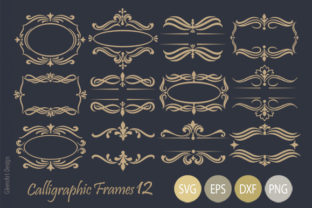
At its core, Contour Frame Scroll involves using a curved or angled border that follows the contour of the content it frames. This border can be static or animated, depending on the context. The idea is to create a sense of movement and flow, making the content feel more dynamic and visually appealing.
This technique is especially effective when used with images, videos, or text-heavy sections where you want to draw attention without overwhelming the user. It works best when integrated into a larger design system that supports seamless transitions and responsive layouts.
For Bloggers and Content Creators
Bloggers often struggle with keeping readers engaged, especially when dealing with long-form content. By incorporating Contour Frame Scroll around key sections—like quotes, infographics, or call-to-action buttons—you can make those elements stand out and encourage deeper interaction.
Imagine writing a blog post about productivity hacks. You could use Contour Frame Scroll to highlight a step-by-step guide or a motivational quote. This not only draws the reader's eye but also helps break up the text, making it easier to digest.
For Entrepreneurs and Small Business Owners
Entrepreneurs frequently need to present their brand story in a compelling way. Contour Frame Scroll can be used on landing pages or product showcases to guide visitors through the narrative of your business. For example, if you run a boutique clothing store, you might use this feature to scroll through a series of styled looks, each framed with a smooth contour that leads the viewer from one outfit to the next.
This approach helps maintain visual consistency while creating a sense of journey, which is crucial for building emotional connections with potential customers.
For Educators and E-Learning Developers
Educators are always looking for ways to make learning more interactive and less monotonous. Contour Frame Scroll can be used in e-learning modules to highlight important concepts or transition between different topics. Think of it as a visual cue that tells the learner, “Pay attention here.”
If you’re developing an online course on graphic design, you could use Contour Frame Scroll to emphasize the steps involved in creating a logo. As the learner scrolls through each stage, the frame subtly changes, reinforcing the process and making it easier to follow.
Monochrome: A Complementary Design Choice
While Contour Frame Scroll can be implemented with various color schemes, pairing it with a monochrome palette offers unique benefits. Monochrome designs rely on varying shades of a single color to create contrast and depth. When combined with Contour Frame Scroll, this approach results in a clean, sophisticated look that feels both modern and timeless.
Monochrome is particularly useful in professional settings where clarity and focus are essential. It reduces visual noise, allowing the Contour Frame Scroll to act as the primary visual guide. This makes it ideal for corporate websites, portfolio sites, and digital magazines that prioritize aesthetics without sacrificing readability.
When and Why to Use Contour Frame Scroll
Contour Frame Scroll is most effective when used sparingly and purposefully. It should never distract from the content itself but rather enhance the overall experience. Here are a few scenarios where it shines:
- Product Demos: Use Contour Frame Scroll to guide users through a multi-step demo or tutorial, ensuring they follow the correct sequence without confusion.
- Storytelling Sections: In storytelling or case study formats, it can help segment the narrative, making it easier to follow along.
- Image Galleries: Highlighting individual photos or illustrations with a frame that moves as the user scrolls can create a more immersive viewing experience.
- Call-to-Action Areas: Framing CTA buttons or links with a subtle contour can increase click-through rates by drawing attention to these critical elements.
What to Consider Before Implementing Contour Frame Scroll
Before diving into Contour Frame Scroll, there are a few factors worth considering. First, ensure that the design aligns with your overall brand identity. If your brand is bold and colorful, a monochrome approach may feel too restrained. Conversely, if your brand leans towards minimalism, this technique could add just the right amount of visual interest.
Next, think about the platform or device where the content will be viewed. Contour Frame Scroll works best on larger screens where there’s more space to appreciate the effect. On mobile devices, it’s important to test how the frame interacts with touch gestures and screen sizes to avoid usability issues.
Lastly, consider the performance impact. While Contour Frame Scroll can be animated, it’s essential to keep animations smooth and optimized to prevent lag or slow load times. Always prioritize user experience over flashy effects.
Final Thoughts
Contour Frame Scroll is more than just a design trend—it's a practical solution for improving how content is consumed and experienced. Whether you're a blogger, educator, entrepreneur, or designer, this technique can help you communicate more effectively and engage your audience in meaningful ways.
By combining it with a thoughtful monochrome palette, you can achieve a balance between visual appeal and functional clarity. As with any design choice, the key is to apply it intentionally and with purpose, ensuring that it enhances rather than distracts from the message you're trying to convey.