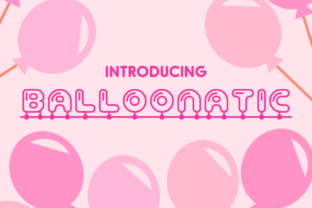
Balloonatic: A Playful Typeface for Creative and Practical Workflows
Balloonatic is more than just a typeface—it's a visual tool that can elevate the tone and usability of your design projects. With its fun and playful aesthetic, Balloonatic brings a sense of joy and creativity to any workspace. Whether you're designing for a brand, creating content for an audience, or personalizing your digital space, Balloonatic offers a unique way to express personality while maintaining clarity and readability.
Understanding Balloonatic in the Design Process
Balloonatic is designed with a rounded, whimsical character set that feels both modern and nostalgic. Its curves and soft edges make it ideal for projects that require a friendly, approachable look. Unlike traditional serif or sans-serif fonts, Balloonatic introduces a level of charm that can be particularly effective in branding, social media content, and educational materials.
The typeface fits naturally into a variety of creative workflows. It can serve as a primary font in logos, headers, or call-to-action buttons where a lighter, more engaging style is needed. When used in moderation, Balloonatic can add visual interest without overwhelming the reader. Its versatility makes it suitable for both digital and print formats, allowing designers to maintain consistency across platforms.
When to Use Balloonatic in Your Workflow
Balloonatic can be integrated at different stages of a project depending on the goals and audience. Here are some practical use cases:
- Before a Project: Choose Balloonatic for brainstorming sessions, mood boards, or concept sketches. Its playful nature can help spark creativity and encourage a more relaxed mindset during the planning phase.
- During Development: Use Balloonatic for wireframes, mockups, or interactive elements. Its visual appeal can make the design process more enjoyable and efficient.
- After Completion: Apply Balloonatic to final presentations, marketing materials, or user guides. It adds a touch of personality that can make your work stand out in a crowded market.
By aligning the use of Balloonatic with specific project phases, designers can ensure that the typeface enhances rather than distracts from the overall message.
How Balloonatic Integrates with Other Tools and Resources
Balloonatic works well with a range of design tools and platforms, making it a flexible choice for professionals and hobbyists alike. It supports common file formats such as SVG, OTF, and TTF, which means it can be easily imported into software like Adobe Illustrator, Photoshop, InDesign, and even web development platforms like Figma or Sketch.
When working with collaborative teams, Balloonatic’s consistent character set ensures that the font remains readable across different devices and screen sizes. This is especially important when sharing designs with stakeholders or clients who may view the work on various platforms.
For developers, Balloonatic can be embedded directly into websites using CSS or HTML. This allows for seamless integration into web-based projects without compromising the font’s quality or performance.
Practical Implementation Tips
To get the most out of Balloonatic, consider the following best practices:
- Use it strategically: Balance Balloonatic with more neutral fonts to maintain professionalism. Reserve it for headings, titles, or key messages where its playful style can shine.
- Test across devices: Ensure that the font displays correctly on all screen sizes and resolutions. Some platforms may have limited font support, so always check compatibility before finalizing a design.
- Optimize for accessibility: While Balloonatic is visually appealing, ensure that it doesn’t compromise readability, especially for users with visual impairments. Pair it with high-contrast text and appropriate line spacing.
- Organize your assets: Keep track of different versions of Balloonatic and how they fit into your workflow. This helps streamline future projects and reduces the risk of inconsistencies.
By following these tips, you can ensure that Balloonatic becomes a reliable part of your design toolkit rather than a one-time novelty.
Real-World Applications and Observations
Balloonatic has found a home in various industries, from education to marketing. For instance, educators often use it in lesson plans or student handouts to create a more engaging learning environment. Marketers leverage its cheerful appearance in social media campaigns and brand collateral to connect with younger audiences.
In small business settings, Balloonatic can be used to personalize branding efforts, making a company’s identity feel more human and relatable. Freelancers and creatives also benefit from its versatility, using it to differentiate their work in a competitive landscape.
One key observation is that Balloonatic performs best when paired with complementary fonts. Using it as a secondary font in a typographic hierarchy can enhance visual balance and readability without sacrificing the desired tone.
Long-Term Use and Consistency
While Balloonatic is a great addition to any design toolkit, it’s important to consider long-term use. As projects evolve and new trends emerge, maintaining a consistent typographic strategy is crucial. Balloonatic should be used intentionally rather than as a default option.
For those looking to build a sustainable design practice, integrating Balloonatic into a broader typography system can help ensure that it remains relevant and effective over time. Regularly reviewing how the font fits into evolving workflows can help identify opportunities for improvement or adaptation.
Ultimately, Balloonatic is not just a font—it’s a tool for expression, engagement, and efficiency. By understanding its strengths and limitations, and by integrating it thoughtfully into your workflow, you can unlock its full potential and create more meaningful, impactful designs.